THE SCIENCE
Cognitive decline arises when neurons become hyper-inflammatory and cannot meet energy demands as mitochondrial function weakens. Damaged proteins build up and neurons atrophy, driving memory loss and accelerated aging. By calming inflammation and restoring energy metabolism, targeted interventions help protect brain function and preserve cognition.
Cellular drivers of cognitive decline and aging

Interventions can help
Restore Mitochondrial Function
Neurons require high energy to maintain connections and repair damage. Methylene blue, urolithin A, and AMPK activators enhance mitochondrial efficiency and reduce oxidative stress, improving energy supply and sustaining cognitive performance.



Reduce Neuroinflammation
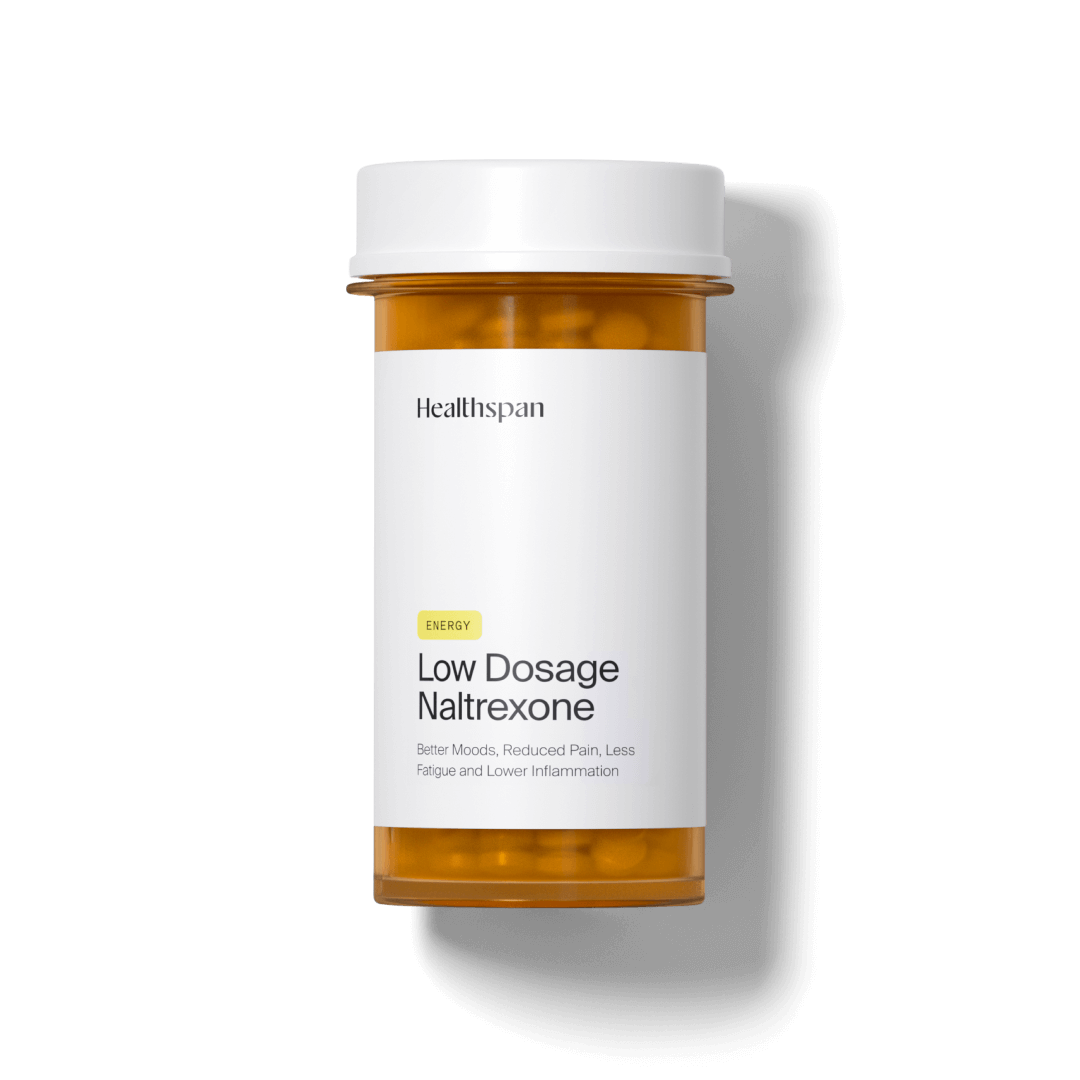
Chronic inflammation in the brain damages neurons and disrupts signaling. Interventions like LDN and rapamycin calm overactive immune responses and microglial activation, helping to protect brain tissue and slow cognitive decline.
Enhance Autophagy
When protein clearance falters, misfolded and toxic proteins build up in neurons. Rapamycin, metformin, and our autophagy formulations reactivate cellular repair pathways, improving proteostasis and protecting neurons from degeneration.
Reduce Neuroinflammation
Chronic inflammation in the brain damages neurons and disrupts signaling. Interventions like LDN and rapamycin calm overactive immune responses and microglial activation, helping to protect brain tissue and slow cognitive decline.
Restore Mitochondrial Function
Neurons require high energy to maintain connections and repair damage. Methylene blue, urolithin A, and AMPK activators enhance mitochondrial efficiency and reduce oxidative stress, improving energy supply and sustaining cognitive performance.
Enhance Autophagy
When protein clearance falters, misfolded and toxic proteins build up in neurons. Rapamycin, metformin, and our autophagy formulations reactivate cellular repair pathways, improving proteostasis and protecting neurons from degeneration.
Hear from our patients
Amazing effect on my mental clarity
The methylene blue has had an amazing effect on my mental clarity and focus and the ability to recall and put my thoughts together and my energy level is greater now too! Literally I’ve had overall just a sense of better well being.
James J
Great products!
Very happy with my experience, the methylene blue especially helps a ton with my adhd and ability to focus, looking forward to more products coming out in the future.
Brent Lindstrom
Just wow
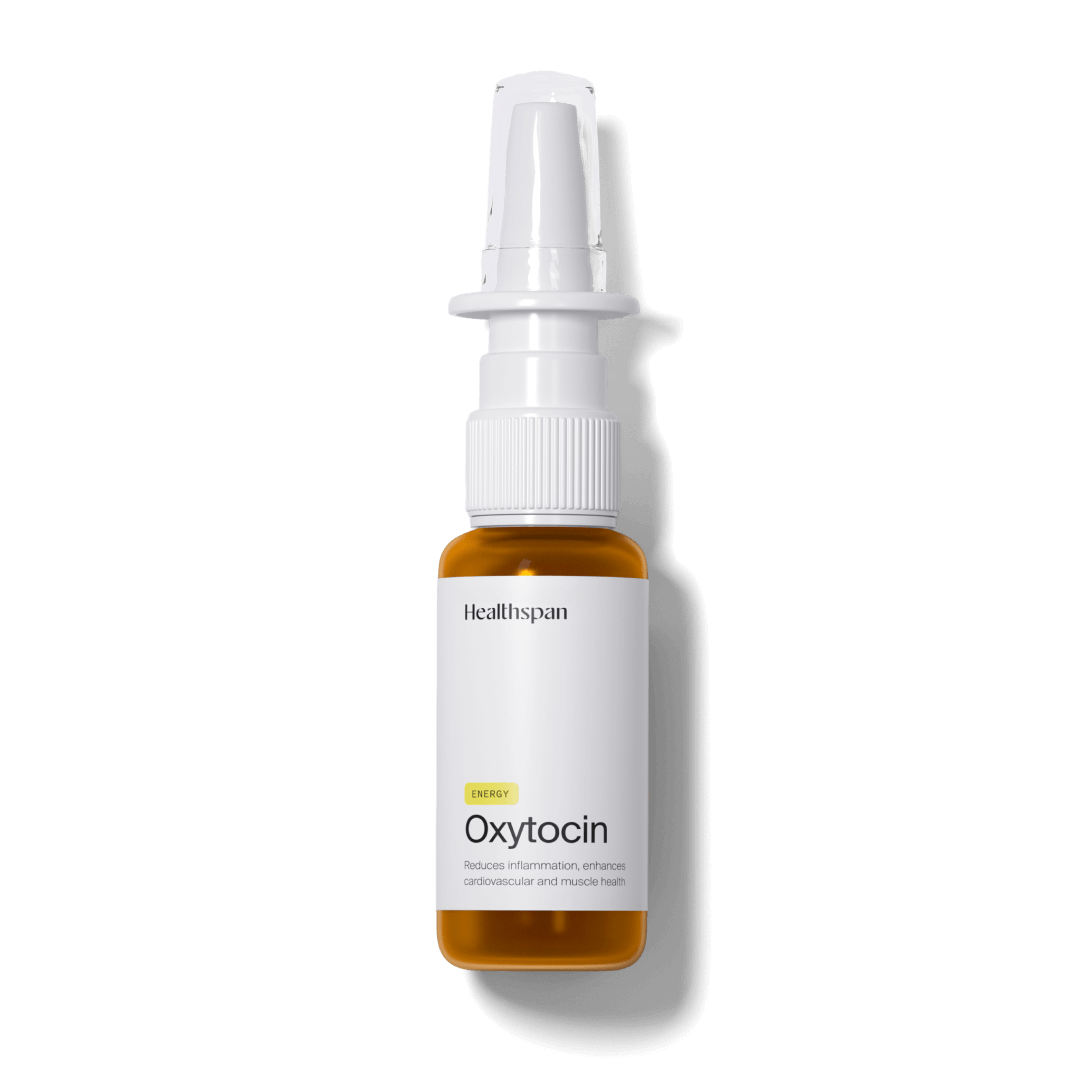
I’m ramping up my intranasal oxytocin protocol and I can’t believe the improvement it’s already making. I suffer from various conditions, and it’s making an impact on most of them. My pain, stress, and anxiety have taken a nosedive.
Ned Drummond
This stuff works!
I have been using the Oxytocin nasal spray for the last 3 months and definitely notice a difference in my mood, my joint aches/pains and I find I feel more relaxed day to day.
Dori T
Ahead of the field
Featured In
Featured In
“Rapamycin... is at the leading edge of a generation of research trials.”
“I would say that rapamycin is the current best-in-class for a longevity drug”
“Rapamycin... is at the leading edge of a generation of research trials.”
“I would say that rapamycin is the current best-in-class for a longevity drug”
“Rapamycin... is at the leading edge of a generation of research trials.”
“I would say that rapamycin is the current best-in-class for a longevity drug”
“Rapamycin... is at the leading edge of a generation of research trials.”
“I would say that rapamycin is the current best-in-class for a longevity drug”
Reviews
415 reviews
We study the studies
Healthspan longevity experts continuously review the latest clinical research, curating results to help deepen your understanding of aging science.
The Multidimensional Benefits of Low-Dose Naltrexone
The Molecular Basis of Exercise and Neuroregeneration: Revelations from a Pivotal Blood Plasma Transplantation Study
Methylene Blue for the Aging Brain: Mitochondrial Mechanisms Driving Neuroprotective and Cognitive Benefits
The Role of the Glymphatic System and Autophagy in Neurodegenerative Disease Prevention
Linking Aerobic Fitness to Increased Brain Myelination: A Strategy Against Neurodegeneration
Oxytocin: The Unexpected Neuroprotective Molecule Targeting Brain Aging and Enhancing Cognitive Health
The Metabolic Basis of Neurodegeneration: The Glucose Paradox of Fueling Cognition and Driving Decline
Beyond Plaques: How Methylene Blue and Ketones Address Vascular-Hypometabolism in Alzheimer’s Disease
mTOR Signaling and Neurodegenerative Disorders: Exploring the Therapeutic Potential of Rapamycin
Alzheimer’s Disease as Type 3 Diabetes: Evidence for Insulin Resistance and Metabolic Dysfunction as Drivers of AD Pathogenesis
How Skeletal Muscle Mass Impacts Cognitive Health
Muscles, Memory, and the Aging Brain: A Story of Two Systems
Still have questions?