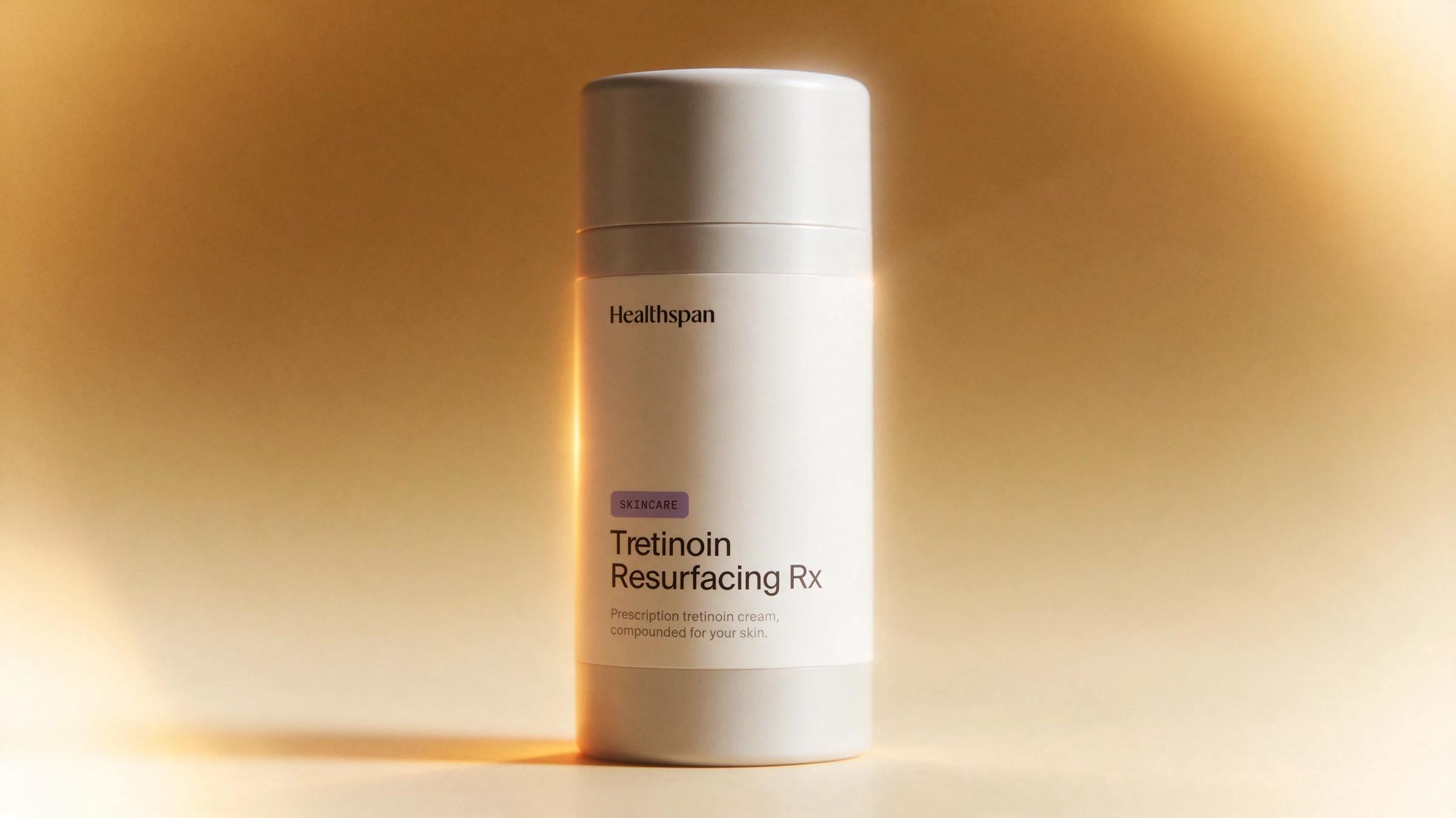
Tretinoin Resurfacing Rx
Prescription cream powered by tretinoin, the most studied ingredient for aging skin. Paired with tranexamic acid to fade dark spots, it supports skin healthspan for a smoother, more even, youthful-looking complexion.
- Smoother lines and texture, driven by faster skin cell renewal
- Fewer, fainter dark spots, with tranexamic acid to even your tone
- Easier to stay on, with niacinamide and panthenol to calm and protect your barrier

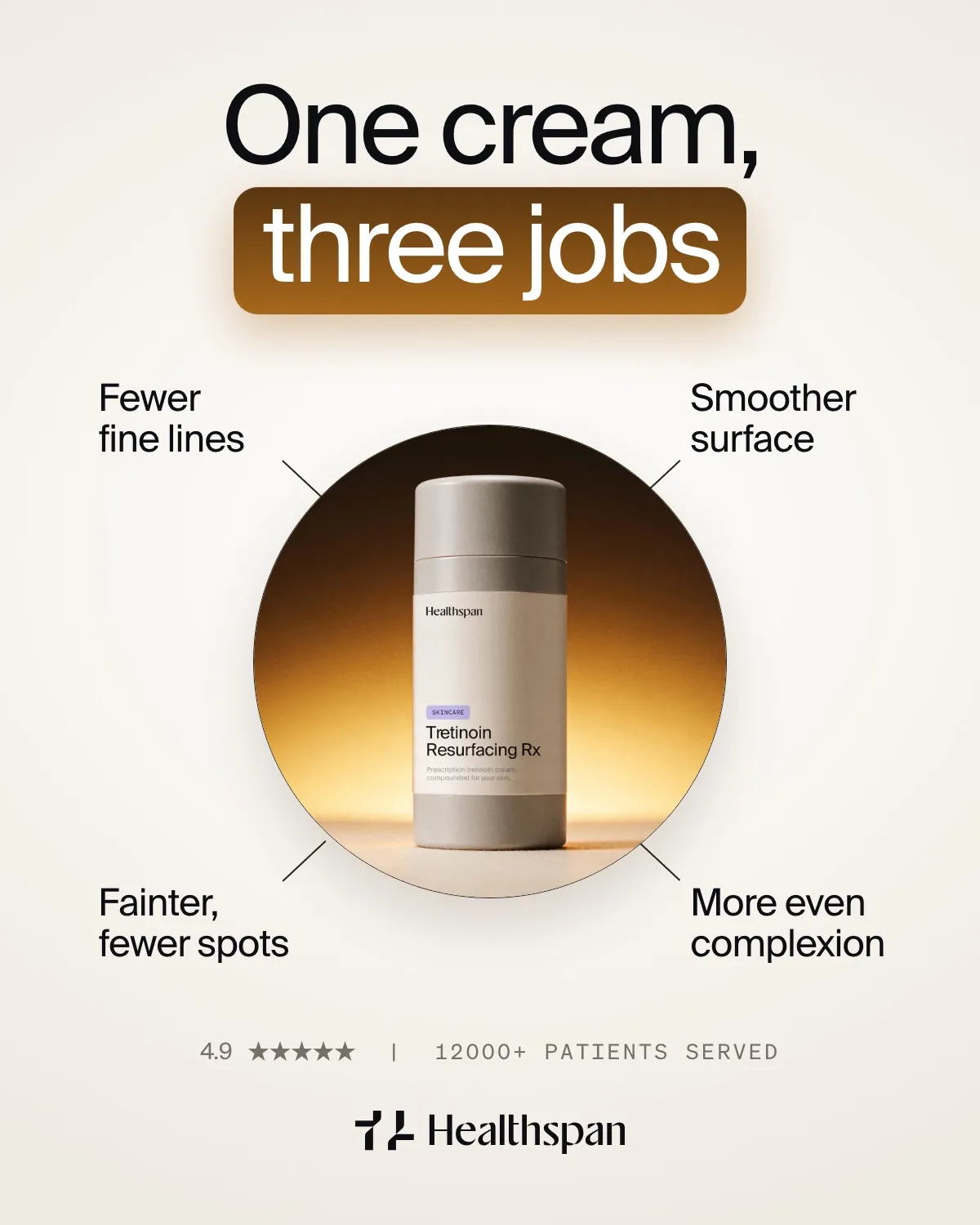
lines
Fewer fine lines

texture
Smoother surface

dark spots
Fainter, fewer spots

tone
More even complexion
CHOOSE YOUR SUPPLY
CHOOSE YOUR SUPPLY
$219 billed every 3 months
Clinician review
Charged only if approved
Free shipping
Cancel anytime
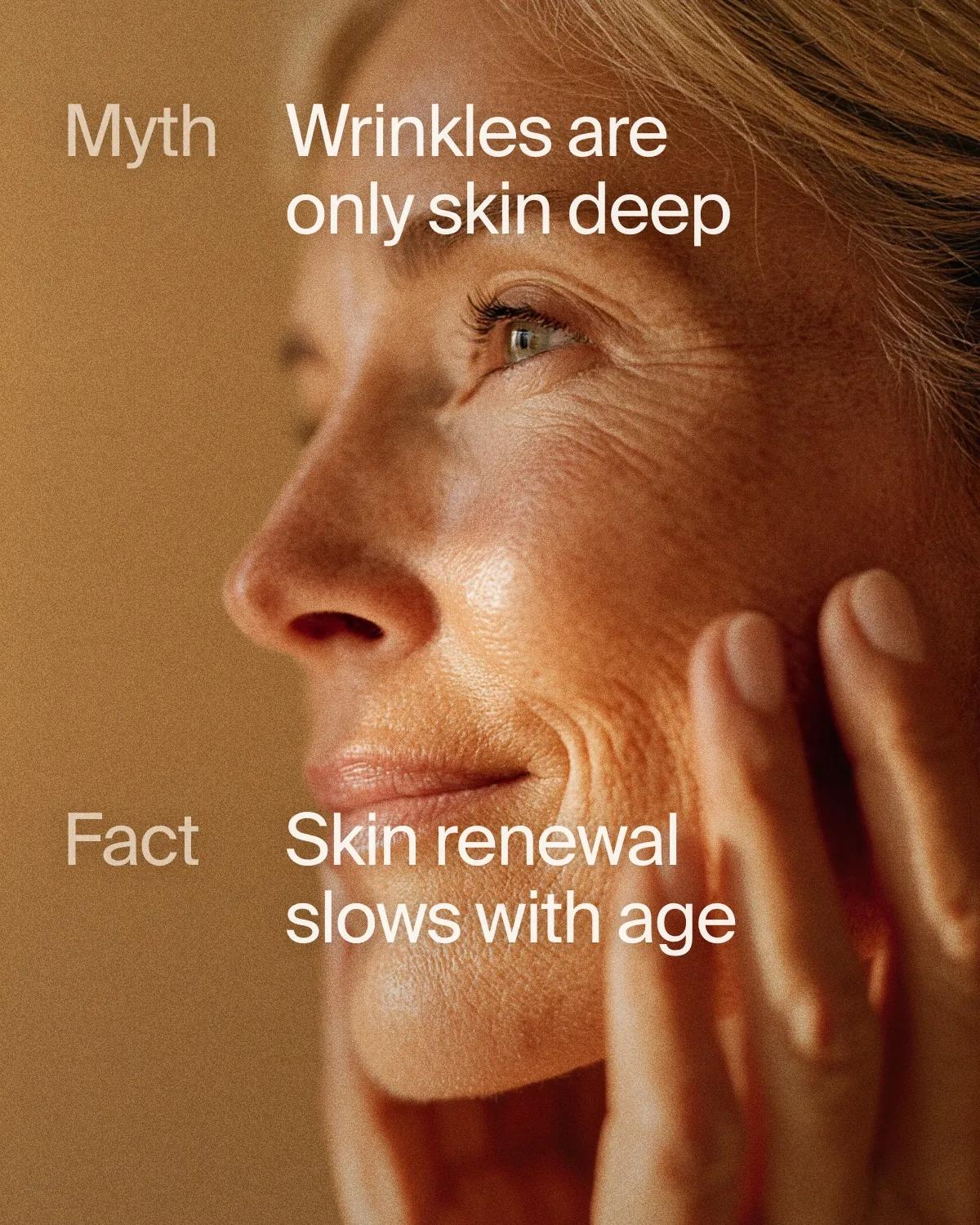
Your skin renews its surface more slowly as you age, by as much as half between your 20s and your 70s. Tretinoin speeds it back up, and tranexamic acid targets the dark spots that slower renewal leaves behind. Wrinkles: in a 2-year study of 204 adults, tretinoin 0.05% improved fine and coarse wrinkles significantly more than a placebo cream. Collagen: after 12 months, skin samples showed a significant rise in new collagen production compared with placebo. Dark spots: in a 12-week split-face study of 50 people, 3% tranexamic acid faded dark patches as well as hydroquinone, with significantly fewer side effects. Barrier: niacinamide and panthenol support the skin barrier while tretinoin works, so your skin stays comfortable through the adjustment period. (Skin renewal: Grove and Kligman, 1983. Wrinkles and collagen: Kang et al., American Journal of Clinical Dermatology, 2005, a randomized, placebo-controlled trial of tretinoin 0.05%. Dark spots: Ebrahimi and Naeini, Journal of Research in Medical Sciences, 2014, a double-blind split-face trial of 3% tranexamic acid. Barrier: Tanno et al., 2000; Proksch and Nissen, 2002. Studies of the individual ingredients, not this formula.)
Tretinoin is the active form of vitamin A. It binds receptors inside skin cells and switches on renewal: cells turn over faster and collagen production picks up. Tranexamic acid works on a different pathway, quieting the signals that tell pigment cells to overproduce. Niacinamide and panthenol support the barrier while both do their work.
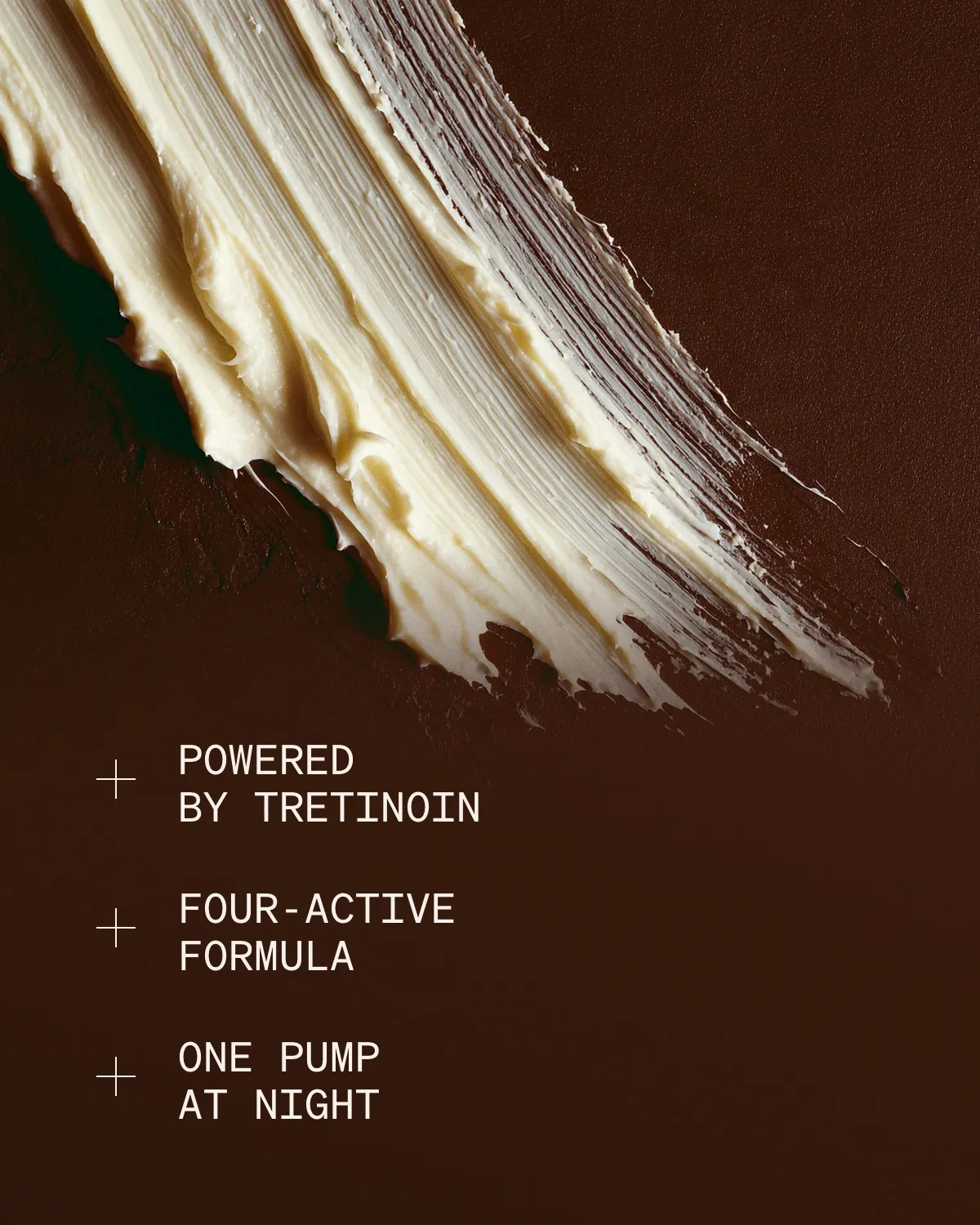
Tretinoin 0.05%, a prescription retinoid: the most studied ingredient for aging skin, speeding cell renewal to smooth lines and texture. Tranexamic acid, 3%: quiets the signals that trigger excess pigment, fading dark spots and evening tone. Niacinamide, 4%: vitamin B3 that strengthens the skin barrier and calms visible redness. Panthenol, 3%: pro-vitamin B5 that soothes and holds in moisture, for comfort through the adjustment period.
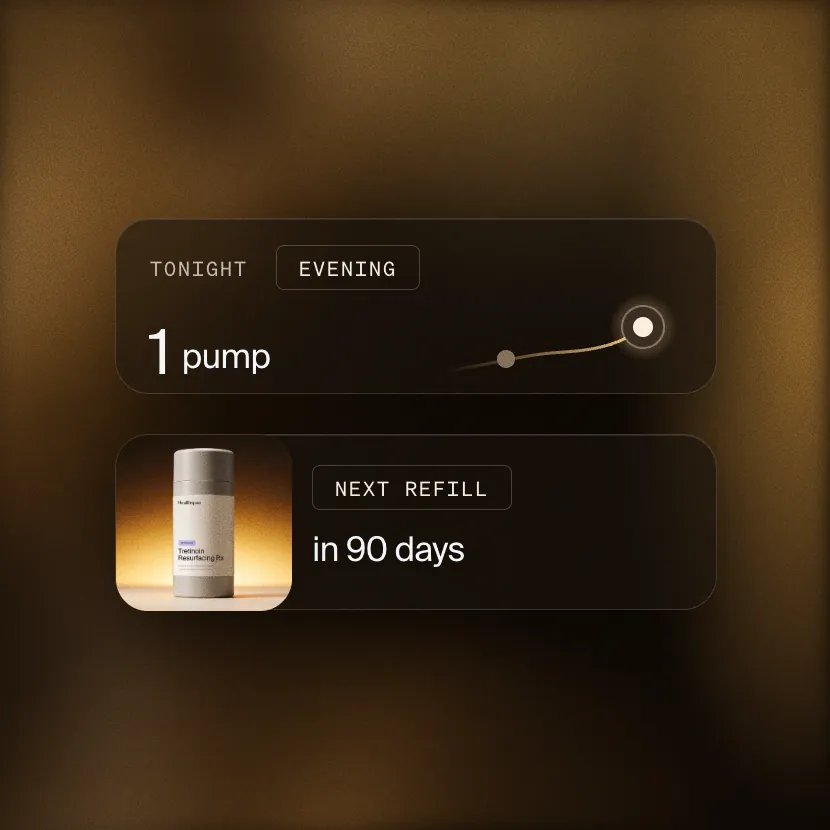
Apply one pump to clean, dry skin in the evening. Spread a thin layer over your face, avoiding the eyes, lips and corners of the nose. Start every other night for the first two weeks, then move to nightly as your skin adjusts. Follow with SPF every morning. Do not use if you are pregnant or trying to become pregnant. For external use only.
WHY SKIN AGES
Aging skin doesn’t just wrinkle.It renews more slowly.
WHY SKIN AGES
Aging skin doesn’t just wrinkle. It renews more slowly.
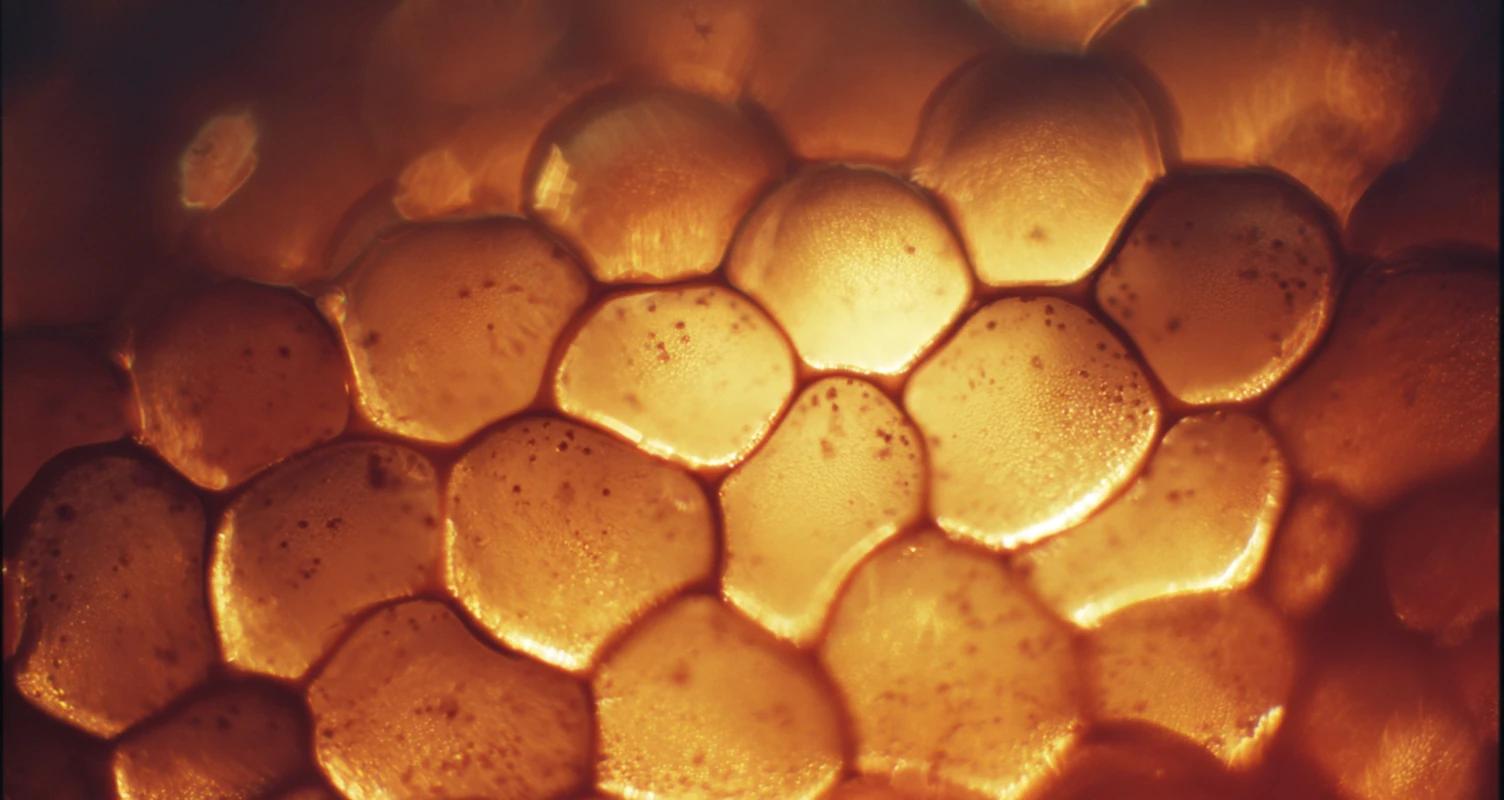
Cell turnover slows.
Old cells linger on the surface, so lines deepen and texture dulls. Tretinoin speeds renewal back up.
Dark spots build up.
Years of sun leave pigment cells overactive, so spots form and tone turns uneven. Tranexamic acid quiets that signal.

The barrier weakens.
Aging skin holds less moisture and reacts more easily, which is why retinoids can sting. Niacinamide and panthenol reinforce it.

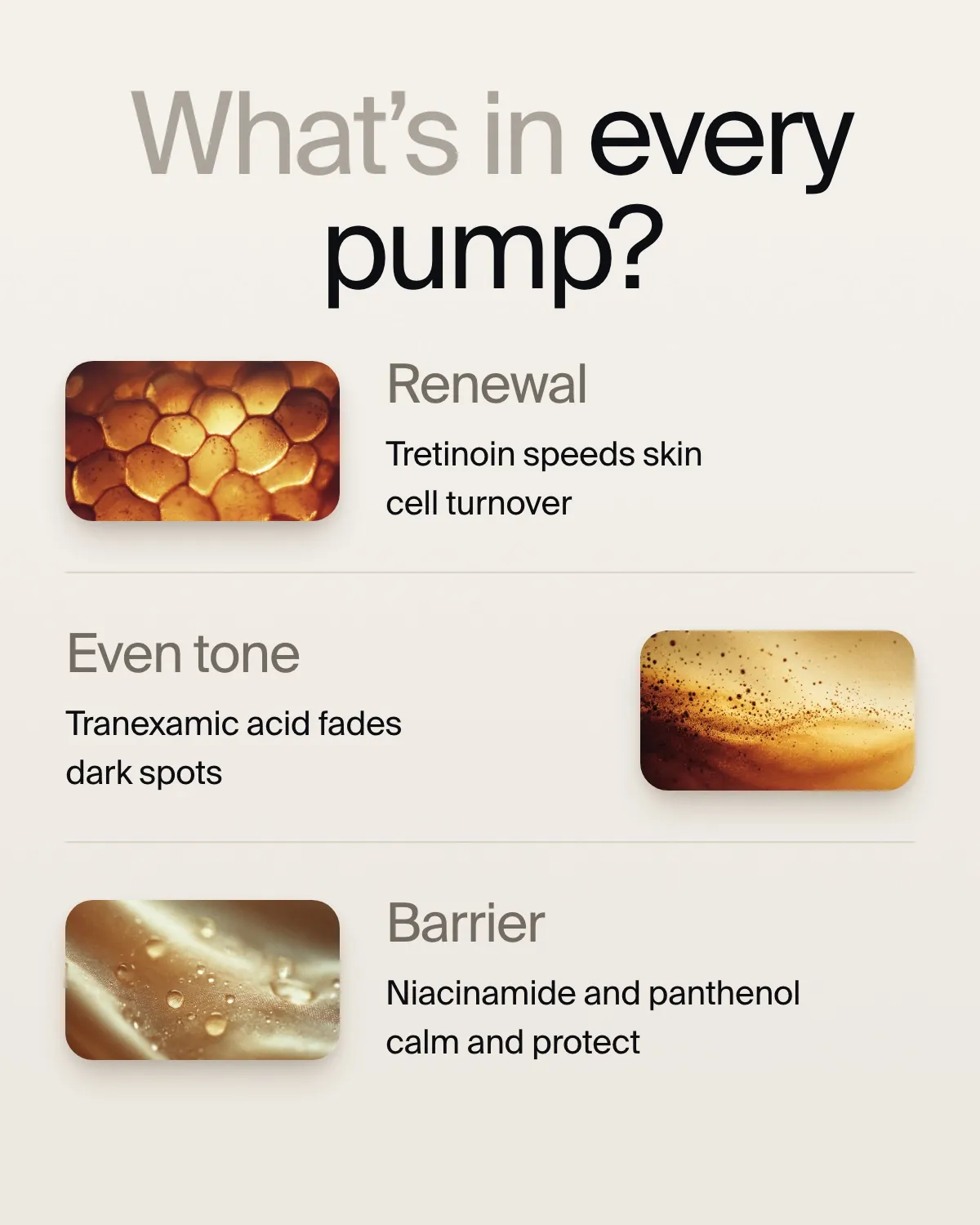
What’s in every  pump?
Prescription tretinoin
Tranexamic acid
Niacinamide
Panthenol
What’s in every pump?
Prescription tretinoin, tranexamic acid, niacinamide and panthenol. Every strength on the label.
Prescription tretinoin
Tranexamic acid
Niacinamide
Panthenol
Two pathways.
One cream.
Tretinoin speeds renewal. Tranexamic acid quiets pigment. Two support actives keep the barrier comfortable.
- 01
Renewal switches on. One vitamin A molecule.
Tretinoin is the active form of vitamin A. It binds receptors inside skin cells that speed turnover and lift collagen production, so fresh skin reaches the surface faster.
Source- Mukherjee 2006
- 02
Pigment quiets down. A second pathway.
Tranexamic acid blocks plasmin, a signal that tells pigment cells to overproduce after sun exposure. Fewer triggers, fewer new dark spots.
Source- Maeda 1998
- 03
The barrier holds. Two support actives.
Niacinamide raises the ceramides that seal the skin barrier. Panthenol helps it recover. Together they keep skin comfortable while tretinoin works.
Source- Tanno 2000
- Proksch 2002
- 04
Seen on skin. In clinical studies.
Over 2 years, tretinoin 0.05% improved wrinkles and dark spots significantly more than placebo. Over 12 weeks, 3% tranexamic acid faded dark patches as well as hydroquinone.
Source- Kang 2005
- Ebrahimi 2014
Mukherjee S, et al. Clinical Interventions in Aging, 2006. Maeda K, Naganuma M. Journal of Photochemistry and Photobiology B, 1998. Tanno O, et al. British Journal of Dermatology, 2000. Proksch E, Nissen HP. Journal of Dermatological Treatment, 2002. Kang S, et al. American Journal of Clinical Dermatology, 2005. Ebrahimi B, Naeini FF. Journal of Research in Medical Sciences, 2014. Not studies of this formula. Individual results vary.
One cream where most routines need three
Most routines stack a retinoid, a dark spot serum and a moisturizer to calm the irritation. This does all three jobs in one prescription.
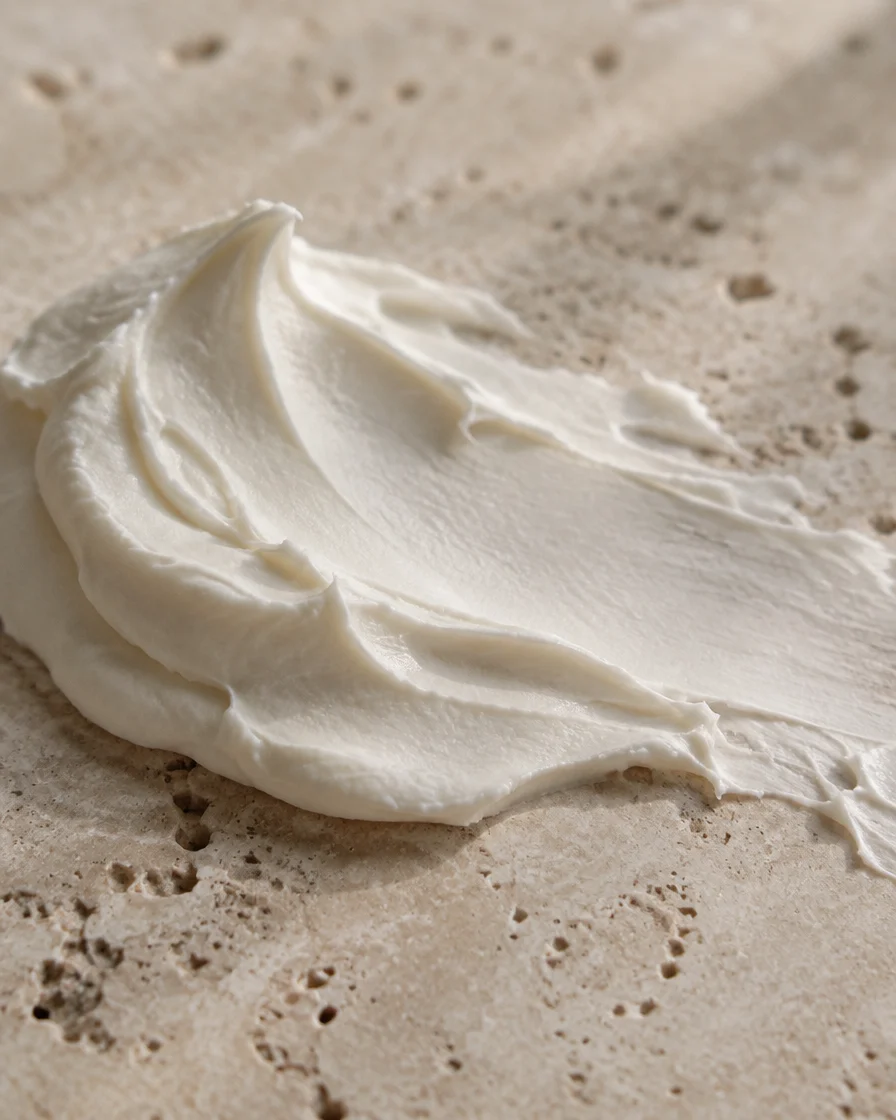
 Tretinoin Resurfacing RxGeneric tretinoin
 Retinol serums
 Dark spot serums
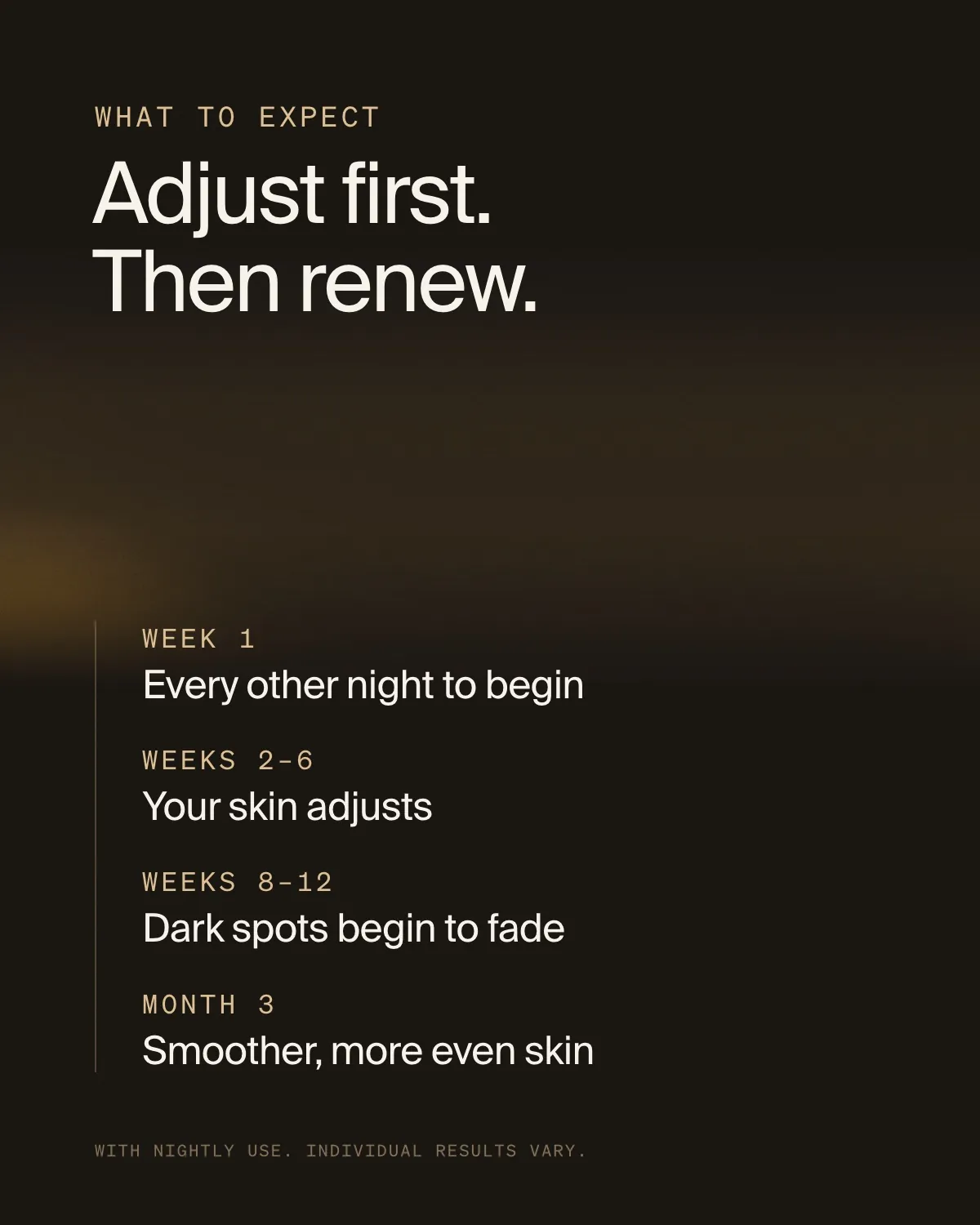
Adjust first.
Then renew.
Week 1
Start slow
Every other night to begin
Niacinamide and panthenol start supporting your barrier from the first application.
Every other night to begin
Niacinamide and panthenol start supporting your barrier from the first application.
Your skin adjusts
Some dryness, flaking or a few breakouts are normal. It’s called retinization: faster turnover bringing new cells to the surface. It passes, and a Healthspan clinician can adjust your routine if it doesn’t.
Dark spots begin to fade
In the tranexamic acid study, dark patches declined steadily over 12 weeks.
Smoother, more even skin
This is where most people see the change in the mirror.
Results keep building
Fine lines keep improving with nightly use. The landmark tretinoin study tracked results for two full years.
Most people who stop tretinoin stop in the first six weeks. This formula is built to get you past them. Dark spots: Ebrahimi and Naeini, 2014, a study of 3% tranexamic acid. Lines: Kang et al., 2005, a study of tretinoin 0.05%. Not studies of this formula. Individual results vary.
How it works
From intake to your door
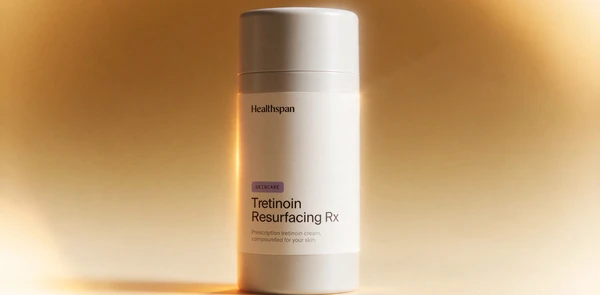
Answer a few questions about your skin goals, health history and current routine.
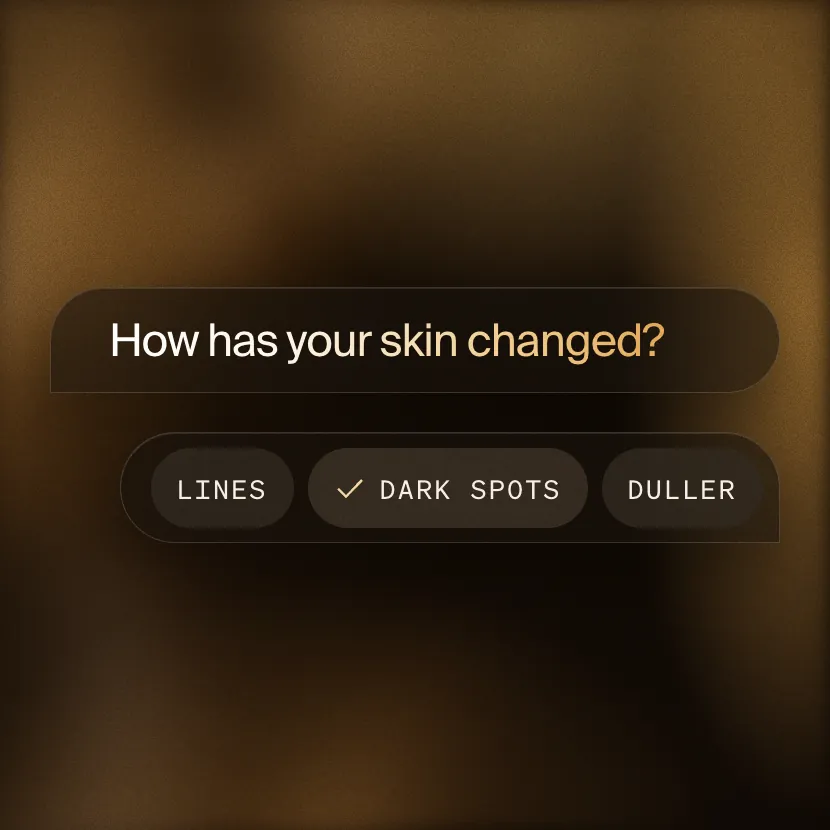
Your intake is reviewed, usually within one business day. You’re only charged if approved.

Your 90-day supply is compounded by a US-licensed pharmacy and shipped to you.
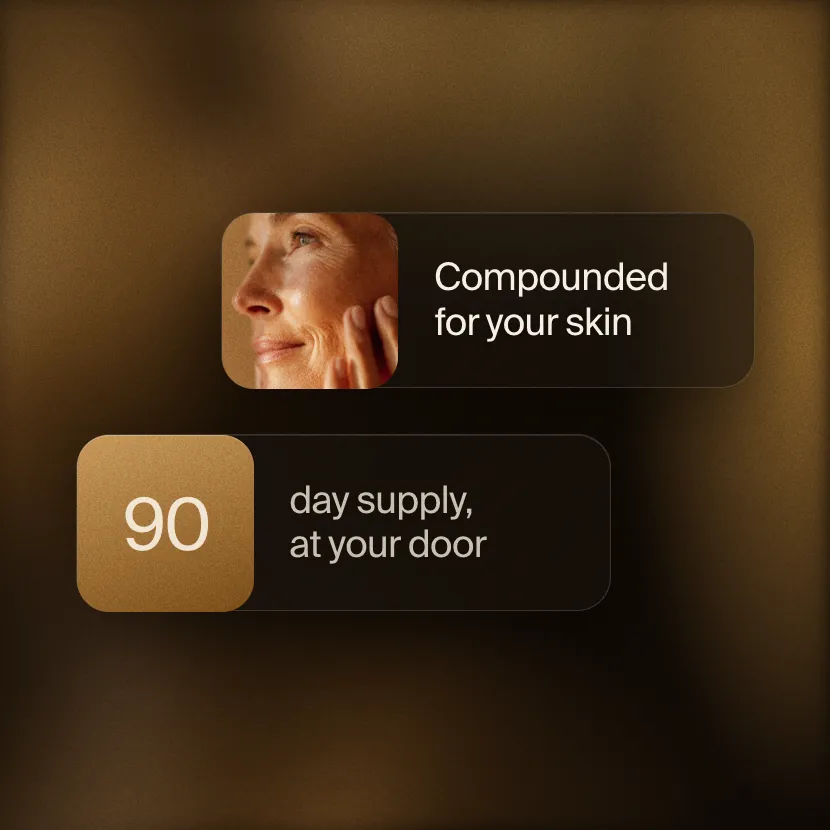
One pump every other night for two weeks, then nightly. Refills arrive every 90 days, and you can cancel anytime.
The Skin Rx line
Three ways to rebuild. Chosen for you.
Your clinician can prescribe these on their own or alongside each other. Each is compounded for you and shipped to your door.
The Skin Rx line

Copper Peptide Repair Rx (GHK-Cu)
CreamEach eveningPrescription GHK-Cu with niacinamide and hyaluronic acid, for skin that looks firmer and feels calmer.

Tretinoin Resurfacing Rx
CreamNightlyPrescription tretinoin with tranexamic acid, for smoother texture and fewer dark spots.

Estriol Face Cream Rx
CreamEach eveningA low-dose estrogen cream for the dryness, thinning and lost firmness that come with menopause.
Prescribed for you · A licensed clinician reviews your intake and decides every prescription. Compounded medications are not FDA-approved.
Skin that’s
- smoother,
- brighter,
- more even,
- renewed,
at every age
Prescription skincare
()
Prescription tretinoin, tranexamic acid, niacinamide and panthenol. One pump nightly.
From $58/mo · Only charged if approved
Questions, answered
Tretinoin is retinoic acid, the active form of vitamin A. It has been prescribed for acne since the 1970s and for sun-damaged, aging skin since the 1990s, and it is the most-studied topical retinoid for fine lines, texture and tone.
Retinol is sold over the counter and has to be converted by your skin, in two steps, into retinoic acid before it works. Tretinoin is retinoic acid, so it acts directly and is considerably stronger.
Tretinoin 0.05% to speed renewal, tranexamic acid 3% to fade dark spots, and niacinamide 4% and panthenol 3% to support your barrier while tretinoin works. A Healthspan clinician reviews your skin and health history before prescribing.
It might. Tretinoin speeds up cell turnover, which can bring clogged pores to the surface as a short breakout, often called purging, usually in weeks 2 to 6. Dryness, flaking and redness are also common early on. It’s called retinization, and it passes. Niacinamide and panthenol are in the formula to ease it, and starting every other night helps. Message your clinician if it doesn’t settle.
Go slowly. For the first two weeks, apply one pump every other night, then move to nightly as your skin adjusts. Apply to clean, fully dry skin, keep your routine simple (gentle cleanser, moisturizer, SPF), and pause exfoliating acids while you adjust. Your clinician may give you a different schedule.
Keep exfoliating acids, benzoyl peroxide and vitamin C for the morning or for nights off, and avoid other retinoids and separate dark spot serums. Gentle cleansers, moisturizers, peptides and daily sunscreen pair well.
Yes. Tretinoin makes skin more sensitive to the sun, and sun is what drives dark spots. Wear a broad-spectrum SPF 30 or higher every morning and limit time in direct sun.
Expect an adjustment period in weeks 2 to 6. Dark spots begin to fade over weeks 8 to 12, and around month 3 is where most people see smoother, more even skin in the mirror. Fine lines keep improving with nightly use; the landmark tretinoin study tracked results for two full years.
Results partly fade. In a maintenance study, people who kept using tretinoin three nights a week held their results, while stopping partly reversed them (Olsen et al., Journal of the American Academy of Dermatology, 1997). Your clinician can help you find a maintenance schedule that suits your skin.
From $58/mo. The 3-month plan is $219 ($73/mo), the 6-month plan is $396 ($66/mo) and the 12-month plan is $696 ($58/mo). Each plan ships one bottle every 90 days, and your clinician review is included, with no separate consult fee. For comparison, a single out-of-pocket dermatology visit often costs more than a month of treatment. You’re only charged if a Healthspan clinician approves your prescription. Cancel anytime.
Important safety information
Do not use if you are pregnant, trying to become pregnant or breastfeeding, or if you are allergic to tretinoin, tranexamic acid or any ingredient in the formula. Common side effects include dryness, peeling, redness, burning or stinging, and increased sensitivity to sunlight; use daily sunscreen and avoid sunburn, tanning beds and waxing treated skin. Do not apply to eczema, sunburned, broken or irritated skin, and avoid the eyes, nostrils and lips. Tell a Healthspan clinician about any changes you notice.
Tretinoin Resurfacing Rx is a compounded prescription medication. Compounded medications are not FDA-approved; they are prescribed based on a Healthspan clinician’s evaluation of each patient. This page is educational and not medical advice; results vary.